


Teacups puppies near me in your area requires smart research and careful planning. This guide helps prospective pet owners who want these tiny companions but need to stick to a budget while ensuring they get a healthy, well-bred puppy.…This guide helps prospective pet owners who want teacup puppies as tiny companions… We specialize in teacup puppies for sale, helping families find healthy miniature companions at affordable prices .
We’ll show you how to find reputable local breeders who offer fair prices and explore budget-friendly options that don’t compromise on quality. You’ll also learn about the essential health considerations and care requirements that come with owning these delicate little dogs, so you can make an informed decision before bringing your new furry friend home. Finding teacup puppies near you requires smart research and careful planning. When you mention availability near buyers: “If you’re searching for cheap teacup puppies near me, our listings highlight trusted breeders and adoption options in your area
Understanding Teacup Puppies and Their Unique Characteristics
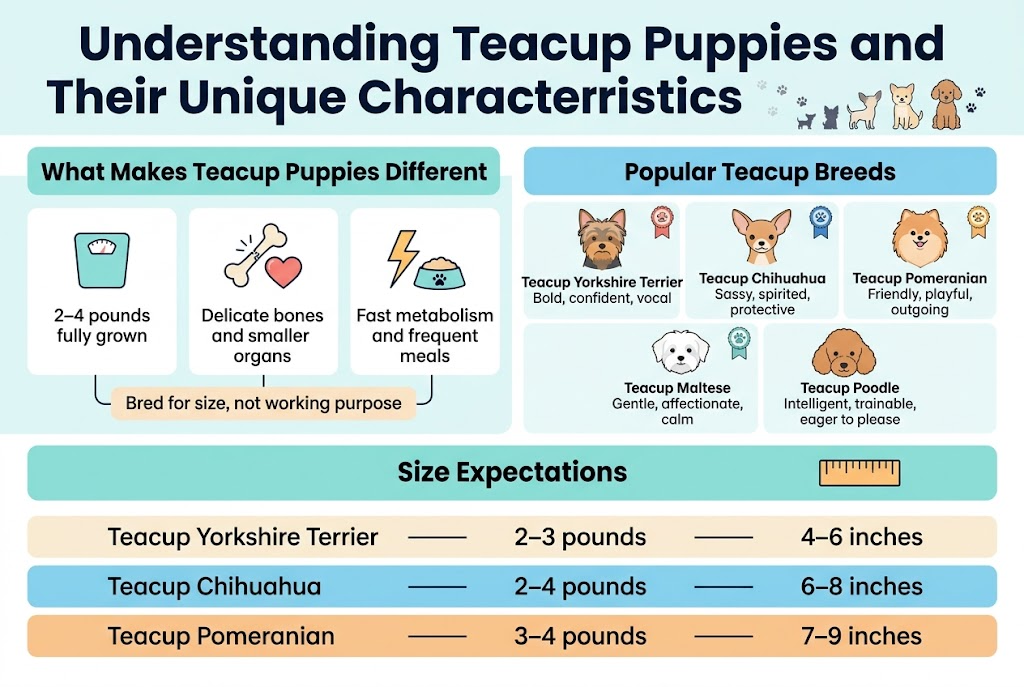
What Makes Teacup Puppies Different from Standard Breeds(Teacups puppies near me in your area requires smart research and careful planning)
Finding teacup puppies near you requires smart research and careful planning. Teacup puppies represent the smallest variations of toy breeds These miniature teacup dogs typically weigh between 2–4 pounds…, weighing significantly less than their standard-sized counterparts. These miniature dogs typically weigh between 2-4 pounds when fully grown, making them extraordinarily delicate companions. Unlike standard breeds that are bred for specific working purposes or temperaments, teacup varieties are specifically bred for their diminutive size, which creates unique challenges and characteristics.
The breeding process for teacup puppies often involves selecting the smallest dogs from each litter over multiple generations. This selective breeding can intensify certain genetic traits while potentially creating health vulnerabilities. Their bone structure is considerably more fragile than regular-sized dogs, and their organs are proportionally smaller, requiring specialized care and attention. Working with reputable teacup puppy breeders ensures your new pet is ethically raised and well‑cared for.
Teacup puppies also have different metabolic needs compared to standard breeds. They burn calories much faster due to their high surface-area-to-body-mass ratio, requiring more frequent feeding schedules. Their small stomachs mean they need to eat smaller portions more often throughout the day to maintain stable blood sugar levels.
Popular Teacup Breeds and Their Temperaments
Several dog breeds have successfully been bred down to teacup sizes, each maintaining distinct personality traits:

Teacup Yorkshire Terriers are known for their bold and confident personalities despite their tiny stature. They’re often fearless and can be quite vocal, making excellent watchdogs. These dogs tend to be loyal to their owners but may be suspicious of strangers.
Teacup Chihuahuas display the classic Chihuahua temperament in a smaller package – they’re often sassy, spirited, and sometimes temperamental. They bond strongly with one person and can be protective of their chosen human. Our teacup Chihuahua puppies are spirited and protective…
Teacup Pomerians are typically friendly, outgoing, and playful. They’re known for their fox-like appearance and fluffy coats. These dogs are generally good with families and enjoy being the center of attention. Families love teacup Pomeranian puppies for their playful nature…
Teacup Maltese dogs are gentle, affectionate, and known for their silky white coats. They’re typically calm and make excellent lap dogs, though they can be prone to separation anxiety. Gentle teacup Maltese puppies make excellent lap dogs…
Teacup Poodles inherit the intelligence and trainability of their larger counterparts. They’re often eager to please and can learn tricks quickly, making them popular choices for first-time teacup owners.
Size Expectations and Adult Weight Ranges
Understanding the size expectations for teacup puppies helps potential owners prepare appropriately. Here’s a breakdown of typical adult weights:
| Breed | Adult Weight Range | Height Range |
|---|---|---|
| Teacup Yorkshire Terrier | 2-3 pounds | 4-6 inches |
| Teacup Chihuahua | 2-4 pounds | 6-8 inches |
| Teacup Pomeranian | 3-4 pounds | 6-8 inches |
| Teacup Maltese | 2-4 pounds | 4-6 inches |
| Teacup Poodle | 2-4 pounds | 6-8 inches |
Growth patterns for teacup puppies differ significantly from standard breeds. Most teacup puppies reach their adult size by 6-8 months, compared to larger breeds that may continue growing for up to two years. Puppy weight at 8 weeks can be a good indicator of adult size – most teacup puppies weigh between 8-16 ounces at this age. Finding teacup puppies near you requires smart research and careful planning.
The small size means these dogs can comfortably live in apartments and require minimal space for exercise. However, their tiny stature also means they can easily be injured by falls from furniture or rough handling. Finding teacup puppies near you requires smart research and careful planning We connect you with small dog breeders near me who specialize in toy and teacup breeds.
Lifespan and Health Considerations
Teacup puppies typically live between 12-16 years, which is comparable to or sometimes longer than their standard-sized counterparts. However, their miniature size comes with specific health challenges that owners must understand.
Common health issues include: These conditions are especially important for owners of teacup puppies to monitor closely.
- Hypoglycemia: Low blood sugar is frequent in teacup puppies due to their fast metabolism and small liver capacity
- Luxating patella: Kneecap dislocation is common due to their delicate bone structure
- Tracheal collapse: The windpipe can collapse due to weak cartilage rings
- Heart problems: Congenital heart defects are more prevalent in teacup breeds
- Dental issues: Overcrowded teeth and retained baby teeth are common
- Fragile bone syndrome: Increased risk of fractures from minor trauma
Preventive care measures:
Regular veterinary checkups every 3-4 months are recommended rather than the standard 6-month intervals. Blood sugar monitoring is essential, especially during the first year of life. Many teacup puppy owners keep corn syrup or honey on hand for emergency hypoglycemic episodes.
Temperature regulation is another significant concern. Teacup puppies struggle to maintain body temperature and are susceptible to both overheating and hypothermia. They often require sweaters in cool weather and should be kept indoors during extreme temperatures.
The breeding practices for achieving teacup size can sometimes prioritize appearance over health, making it important to research breeders thoroughly and understand potential genetic predispositions before making a purchase decision. Finding teacup puppies near you requires smart research and careful planning
Finding Reputable Local Breeders and Sellers
Red Flags to Avoid When Choosing a Breeder
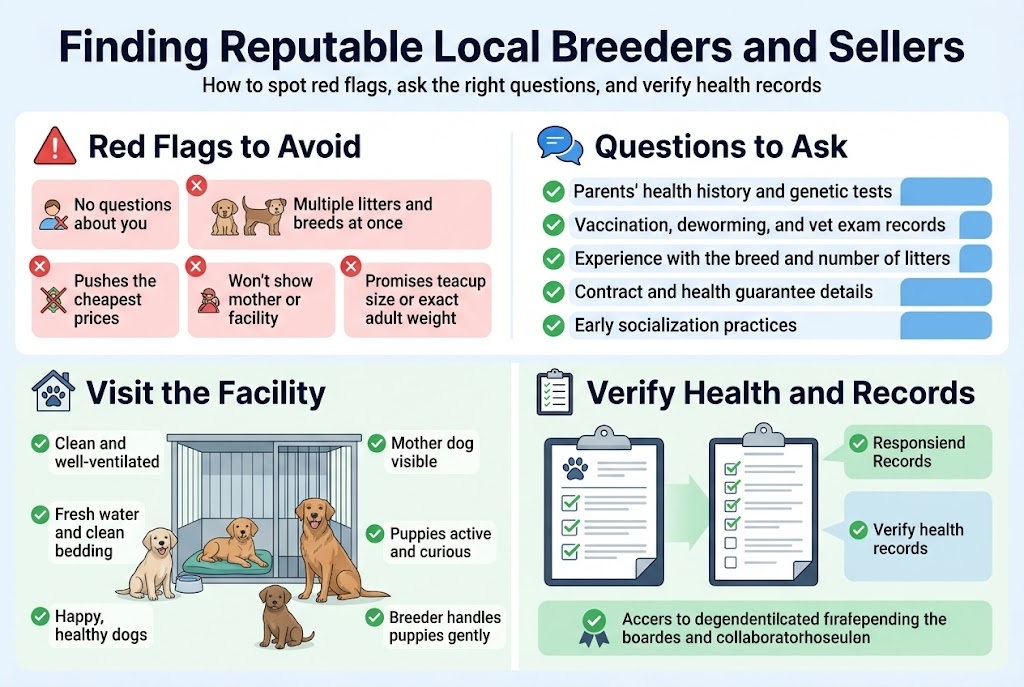
Watch out for breeders who seem eager to sell without asking you questions about your living situation or experience with dogs. Legitimate breeders care deeply about where their puppies go and will interview potential owners. Be wary of sellers who have multiple litters available at once, especially different breeds, as this often signals a commercial operation rather than a dedicated breeder. Responsible breeders of teacup puppies care deeply about placement
Price-focused advertising is another warning sign. If someone emphasizes “cheapest prices” or “discount teacup puppies,” they’re likely cutting corners on health testing and proper care. Reputable breeders invest significant money in genetic testing, veterinary care, and quality food, so rock-bottom prices usually mean compromised puppy welfare.
Avoid breeders who won’t let you see the mother dog or visit their facilities. They might claim the mother is “resting” or make excuses about why you can’t come over. This often means they’re hiding poor conditions or the fact that they don’t actually breed the puppies themselves.
Be suspicious of breeders who guarantee specific adult weights for teacup puppies or promise they’ll stay under certain size limits. Responsible breeders know that puppy development varies and won’t make unrealistic promises about adult size.
Questions to Ask Before Making a Purchase
Start by asking about the puppy’s parents and their health history. A good breeder should provide detailed information about both parents’ genetic testing results, including common issues for the specific breed. Ask specifically about heart clearances, eye exams, and any breed-specific genetic tests.
Find out about the puppy’s vaccination schedule and what shots they’ve already received. Responsible breeders follow proper vaccination protocols and provide documentation. Ask about deworming treatments and whether the puppy has been examined by a veterinarian.
Inquire about the breeder’s experience and how long they’ve been working with the specific breed. Ask how many litters they have per year and whether they show their dogs or participate in breed-related activities. This gives you insight into their commitment to the breed beyond just producing puppies.
Get details about their contract and health guarantee. What does their guarantee cover, and for how long? Do they require you to return the puppy to them if you can’t keep it? These policies reveal a lot about the breeder’s long-term commitment to their puppies.
Ask about socialization practices. How do they expose puppies to different sounds, surfaces, and experiences during those critical early weeks? Well-socialized puppies adapt better to new homes and tend to be more confident. Finding teacup puppies near you requires smart research and careful planning
Visiting Breeding Facilities and Meeting Parent Dogs
A facility visit tells you everything you need to know about a breeder’s operation. The environment should be clean, well-ventilated, and spacious enough for the dogs to move around comfortably. You should see fresh water available and clean bedding areas.
Pay attention to how the dogs interact with the breeder. They should appear happy, healthy, and comfortable around their caretaker. Dogs that seem fearful or aggressive might indicate poor treatment or inadequate socialization.
Meeting the mother dog is essential. She should be friendly, though potentially protective of her puppies, and appear healthy with a good coat condition. The father might not be on-site, but the breeder should provide information and photos of him.
Observe the puppies’ living conditions. They should have adequate space to play and rest, with appropriate bedding and toys. The area should smell clean, not overwhelmingly of urine or feces. Healthy puppies are active, curious, and interactive.
Watch how the breeder handles the puppies. They should be gentle and knowledgeable, able to answer questions about each puppy’s personality and development. Good breeders know their puppies individually and can match them appropriately to families.
Verifying Health Certifications and Breeding Records
Request to see official health clearances for both parents. These should come from recognized organizations like the Orthopedic Foundation for Animals (OFA) or PennHIP for hip evaluations, and the Canine Eye Registration Foundation (CERF) for eye clearances. Don’t accept verbal assurances or unofficial documents.
Ask for registration papers if applicable. While registration doesn’t guarantee quality, it does provide a paper trail and ensures the breeder is working with purebred dogs. Be cautious of breeders who can’t provide registration or make excuses about paperwork delays.
Verify veterinary records for the litter. The breeder should have documentation of veterinary visits, vaccinations, and health checks. A reputable veterinarian’s involvement indicates professional oversight of the breeding program.
Check if the breeder maintains breeding records showing lineage information. Good breeders track their lines carefully and can provide detailed pedigree information going back several generations. This documentation helps identify potential genetic issues and breeding decisions.
Look for evidence of genetic testing beyond basic health clearances. Progressive breeders often test for breed-specific genetic conditions and can show you results from services like Embark or Wisdom Panel. Finding teacup puppies near you requires smart research and careful planning.
Understanding Puppy Mill Warning Signs
Puppy mills often advertise online with stock photos rather than actual pictures of their puppies. Be suspicious of listings that use generic or overly professional photos, or refuse to provide current pictures of the specific puppy you’re interested in.
Multiple breeds available simultaneously is a red flag. Legitimate hobby breeders typically focus on one or two breeds at most. Operations offering five or more different breeds likely prioritize quantity over quality.
High-pressure sales tactics indicate commercial operations. Puppy mills want quick sales and may push you to buy immediately or offer “deals” for buying multiple puppies. They might also insist on meeting in parking lots or neutral locations rather than their facility.
Poor communication and reluctance to answer questions signals problems. Puppy mill operators often lack detailed knowledge about their dogs and breeding practices. They might dodge questions about health testing or parents’ temperaments.
| Warning Sign | What It Indicates | What to Do |
|---|---|---|
| Won’t allow facility visits | Poor conditions or no actual facility | Find another breeder |
| Multiple litters always available | Commercial operation | Look for seasonal breeders |
| No health testing documentation | Cutting corners on puppy health | Verify all health clearances |
| Unusually low prices | Compromised care and conditions | Understand true costs of responsible breeding |
| Ships puppies sight unseen | Mass production mentality | Insist on meeting puppy first |
Commercial breeders often ship puppies at very young ages or arrange to meet in public places. They avoid building relationships with buyers and treat puppies like products rather than living beings deserving careful placement.
Budget-Friendly Options for Teacup Puppy Acquisition
Comparing Prices from Different Local Sources
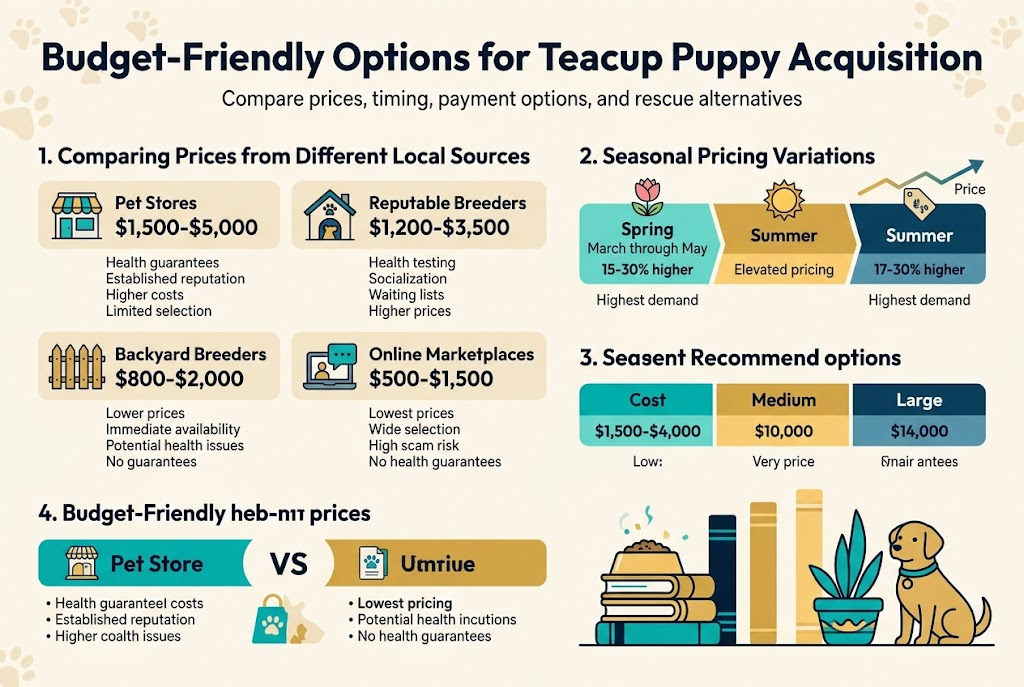
Finding the best deal on a teacup puppy requires shopping around and understanding what drives pricing differences. Pet stores typically charge premium prices, often ranging from $1,500 to $5,000, because they factor in overhead costs like rent, staff salaries, and marketing expenses. However, these establishments usually offer health guarantees and have established reputations.
Individual breeders present more varied pricing structures. Backyard breeders might offer puppies for $800 to $2,000, but buyer beware – lower prices sometimes signal poor breeding practices or health issues. Reputable hobby breeders generally price their puppies between $1,200 and $3,500, depending on bloodlines and registration papers.
Online marketplaces like Craigslist or Facebook can yield bargains, but they’re riskier territory. Prices might seem attractive at $500 to $1,500, but scams run rampant in these spaces. Always meet sellers in person and verify the puppy’s health records before making any payments.
| Source Type | Price Range | Pros | Cons |
|---|---|---|---|
| Pet Stores | $1,500-$5,000 | Health guarantees, established reputation | Higher costs, limited selection |
| Reputable Breeders | $1,200-$3,500 | Health testing, socialization | Waiting lists, higher prices |
| Backyard Breeders | $800-$2,000 | Lower prices, immediate availability | Potential health issues, no guarantees |
| Online Marketplaces | $500-$1,500 | Lowest prices, wide selection | High scam risk, no health guarantees |
Seasonal Pricing Variations and Best Times to Buy
Puppy prices fluctuate throughout the year based on demand patterns and breeding cycles. Spring brings the highest prices as families prepare for summer activities with new pets. Expect to pay 15-30% more during March through May when everyone wants a cuddly companion for outdoor adventures.
Summer months maintain elevated pricing, though slightly lower than spring peaks. Families with children out of school drive continued demand, keeping prices competitive among sellers.
Fall presents the sweet spot for budget-conscious buyers. September through November typically sees 20-25% price reductions as demand drops and breeders want to place puppies before winter. Many breeders also plan breeding schedules around holidays, creating natural lulls in available puppies.
Winter months, particularly January and February, offer the best bargains. Post-holiday financial strain reduces buyer activity, and breeders often discount remaining puppies. You might save $300 to $800 compared to spring prices during this period.
Holiday seasons create unique opportunities too. Some breeders offer special promotions around Christmas or Valentine’s Day, though demand can spike unexpectedly if puppies become trendy gifts. Finding teacup puppies near you requires smart research and careful planning.
Payment Plans and Financing Options Available
Many sellers now recognize that teacup puppies represent significant investments for families, leading to creative financing solutions. Reputable breeders often accept layaway arrangements where you reserve a puppy with a deposit and pay the balance over several months before taking the puppy home.
Pet stores frequently partner with financing companies like Petland Credit or Wells Fargo Pet Financing. These services offer 6-24 month payment plans with varying interest rates. Some promotional periods feature zero-percent financing for qualified buyers, making expensive puppies more accessible.
Credit cards remain popular for puppy purchases, especially cards offering promotional rates or cash-back rewards. Some pet-specific credit cards provide additional benefits like veterinary discounts or pet insurance enrollment bonuses.
Personal loans through banks or credit unions might offer better rates than store financing, particularly for buyers with good credit scores. Online lenders like Upgrade or LendingClub also specialize in pet-related financing with competitive terms.
Breeder-specific payment plans vary widely. Some accept weekly payments over 8-12 weeks, while others offer graduated payment schedules that align with your paycheck timing. Always get payment agreements in writing and understand late payment penalties before committing. Rescues often list tiny teacup puppies for adoption at lower fees
Rescue Organizations Specializing in Small Breeds
Small breed rescues offer incredible value for families seeking teacup-sized companions without premium prices. Organizations like Small Paws Rescue Network or Toy Breed Rescue specialize in tiny dogs, including teacup varieties surrendered by overwhelmed owners or puppy mills. Organizations like Small Paws Rescue Network.
Adoption fees typically range from $200 to $800, significantly less than purchasing from breeders or pet stores. These fees usually cover spaying/neutering, vaccinations, microchipping, and basic health screenings – services that would cost $500-$1,000 separately.
Many rescues focus specifically on popular teacup breeds like Yorkshire Terriers, Chihuahuas, and Pomeranians. Petfinder and Adopt-a-Pet websites help locate breed-specific rescues in your area, with search filters for size and age preferences.
Foster-based rescues often provide detailed behavioral assessments since dogs live in home environments rather than kennel settings. This information helps match puppies with appropriate families and reduces the likelihood of future surrenders.
Some rescues offer “foster-to-adopt” programs where you take a puppy home for a trial period before finalizing adoption. This arrangement helps ensure compatibility while giving the puppy immediate placement in a loving environment.
Rescue organizations also provide ongoing support and often accept returns if circumstances change, something commercial sellers rarely offer. Building relationships with local small breed rescues can put you first in line when teacup puppies become available.
Essential Health and Care Requirements
Initial Veterinary Costs and Vaccination Schedules
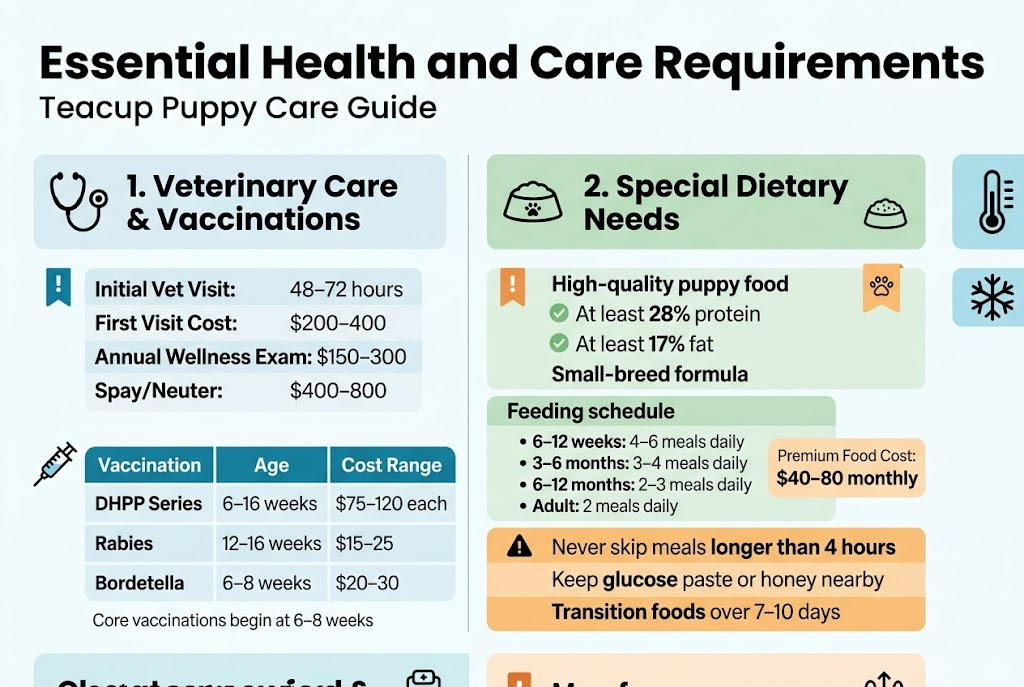
Teacup puppies require immediate veterinary attention upon arrival home, starting with a comprehensive health examination within 48-72 hours. Expect initial veterinary costs ranging from $200-400 for the first visit, which includes physical assessment, weight monitoring, and establishing baseline health records.
Vaccination schedules for teacup breeds follow standard protocols but require careful monitoring due to their smaller body mass. Core vaccinations begin at 6-8 weeks with DHPP (distemper, hepatitis, parvovirus, parainfluenza), followed by boosters every 3-4 weeks until 16 weeks old. Rabies vaccination occurs at 12-16 weeks depending on local laws.
| Vaccination | Age | Cost Range |
|---|---|---|
| DHPP Series | 6-16 weeks | $75-120 each |
| Rabies | 12-16 weeks | $15-25 |
| Bordetella | 6-8 weeks | $20-30 |
Annual wellness exams cost $150-300, including routine blood work to monitor organ function. Spaying or neutering requires specialized anesthesia protocols due to size, costing $400-800 compared to $200-400 for standard breeds.
Special Dietary Needs and Feeding Requirements
Teacup puppies have unique nutritional demands requiring frequent, small meals to prevent hypoglycemia. Feed high-quality puppy food with at least 28% protein and 17% fat, specifically formulated for small breeds with smaller kibble size.
Feeding schedules vary by age:
- 6-12 weeks: 4-6 meals daily
- 3-6 months: 3-4 meals daily
- 6-12 months: 2-3 meals daily
- Adult: 2 meals daily
Portion sizes range from 1/4 to 1/2 cup daily, divided among meals. Premium small-breed puppy food costs $40-80 monthly. Avoid generic brands containing fillers, corn, or excessive preservatives that can trigger digestive issues.
Never skip meals longer than 4 hours during daytime, as teacup puppies burn calories rapidly. Keep glucose paste or honey readily available for emergency hypoglycemic episodes. Transition foods gradually over 7-10 days to prevent stomach upset.
Temperature Sensitivity and Environmental Considerations
Teacup puppies struggle with temperature regulation due to minimal body fat and small muscle mass. Maintain indoor temperatures between 68-72°F consistently, avoiding drafts near sleeping areas.
Cold weather protection includes:
- Sweaters or coats for outdoor activities below 50°F
- Heated beds or warming pads on low settings
- Limiting outdoor exposure to 10-15 minutes in winter
- Booties for paw protection on cold surfaces
Hot weather precautions involve:
- Air conditioning or fans during summer months
- Elevated beds allowing air circulation underneath
- Fresh water availability at multiple locations
- Avoiding concrete or asphalt during peak heat hours
Create designated safe spaces with consistent temperatures, away from heating vents, windows, and high-traffic areas. Consider portable playpens for outdoor supervised time, ensuring shade and wind protection. Finding teacup puppies near you requires smart research and careful planning.
Common Health Issues and Prevention Strategies
Teacup breeds face heightened risks for specific health conditions requiring proactive monitoring and prevention strategies.
Hypoglycemia poses the greatest immediate threat, especially in puppies under 6 months. Warning signs include lethargy, trembling, disorientation, or collapse. Prevention involves regular feeding schedules, avoiding stress, and maintaining stable blood sugar levels.
Luxating patella affects 50% of toy breeds, causing kneecap dislocation. Symptoms include intermittent limping or sudden leg lifting. Prevent through controlled exercise, maintaining healthy weight, and providing non-slip surfaces.
Tracheal collapse occurs when cartilage rings weaken, causing honking cough sounds. Use harnesses instead of collars, maintain optimal weight, and minimize excitement-induced breathing stress.
Dental problems develop rapidly due to crowded teeth in small mouths. Begin dental care at 8 weeks with finger brushing, progressing to soft-bristled toothbrushes. Professional cleanings may be needed annually.
Heart conditions like patent ductus arteriosus require regular cardiac monitoring. Annual heart screenings detect murmurs or irregularities early, allowing intervention before complications develop.
Establish relationships with emergency veterinary clinics familiar with toy breed challenges, as standard treatment protocols may require modifications for teacup-sized patients. Finding teacup puppies near you requires smart research and careful planning.
Preparing Your Home for a Teacup Puppy
Puppy-Proofing Small Spaces and Preventing Injuries
Teacup puppies face unique risks due to their incredibly small size, making thorough puppy-proofing absolutely critical. Start by getting down on your hands and knees to see your home from a tiny puppy’s perspective. Those seemingly harmless gaps between furniture can become dangerous traps for a 2-pound Yorkshire Terrier or Chihuahua.
Install baby gates at the top and bottom of all staircases, as even a single step can cause serious injury to these miniature dogs. Cover electrical outlets with safety plugs and secure loose cords, which teacup puppies often mistake for toys. Remove or secure small objects like coins, buttons, or jewelry that could pose choking hazards.
Pay special attention to furniture legs and table corners, which are at the perfect height to injure tiny heads during play. Consider adding foam padding to sharp edges and creating barriers around potentially dangerous areas like fireplaces or heavy appliances.
Kitchen safety requires extra vigilance – block access to areas where hot liquids might spill, and ensure garbage cans have secure lids. Even crumbs from chocolate or other toxic foods can be dangerous when you’re dealing with such small body weights. Install cabinet locks if your puppy might access cleaning supplies or medications stored in lower cabinets.
Essential Supplies and Equipment on a Budget
Smart shopping can help you provide everything your teacup puppy needs without breaking the bank. Start with the basics: food and water bowls designed for small breeds, which can often be found at dollar stores or thrift shops. Look for shallow dishes that won’t overwhelm tiny mouths.
| Essential Item | Budget Option | Price Range |
|---|---|---|
| Food/Water Bowls | Small cat bowls or ramekins | $3-8 |
| Collar & Leash | Cat collar with breakaway safety | $5-12 |
| Bed | Small cat bed or DIY cushion | $8-20 |
| Toys | Ping pong balls, small rope toys | $2-10 |
| Carrier | Small cat carrier from yard sales | $10-25 |
Consider DIY alternatives for expensive items. A small cardboard box lined with soft blankets makes an excellent temporary bed. Old t-shirts can become comfort items that smell like you. Tennis balls are too large, but ping pong balls provide perfect-sized entertainment.
Shop end-of-season sales, check online marketplaces for gently used items, and don’t overlook pet supply store clearance sections. Many expensive “teacup-specific” products are simply miniaturized versions of cat supplies sold at premium prices.
Creating Safe Zones and Comfortable Sleeping Areas
Establishing designated safe spaces gives your teacup puppy security while protecting them from household hazards. Choose a quiet corner away from high-traffic areas where your puppy can retreat when feeling overwhelmed or tired.
Set up multiple sleeping areas throughout your home using small baskets or beds lined with washable blankets. Teacup puppies sleep frequently throughout the day and need easily accessible rest spots. Position these areas away from drafts and heating vents, as tiny dogs struggle with temperature regulation.
Create a nighttime sleeping arrangement that prioritizes safety and warmth. Many teacup owners use modified playpens or exercise pens to contain their puppies safely overnight. Line the bottom with waterproof padding and soft bedding, ensuring the sides are low enough for easy access but high enough to prevent falls.
Consider room temperature carefully – what feels comfortable to you might be too cold for a teacup puppy. Small space heaters (safely positioned and monitored) or heated pet mats can provide additional warmth during colder months.
Keep emergency supplies readily available in each safe zone: a small water dish, emergency contact numbers for your veterinarian, and basic first aid supplies. This preparation becomes crucial when dealing with dogs whose small size makes them particularly vulnerable to rapid health changes. Finding teacup puppies near you requires smart research and careful planning.
Long-Term Ownership Costs and Commitments
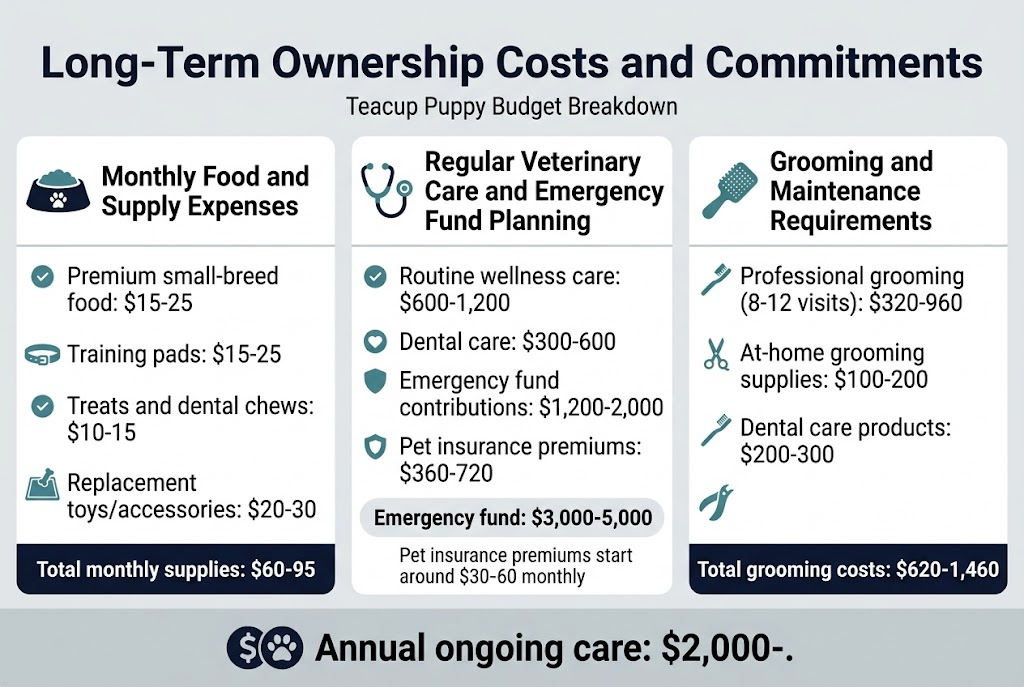
Monthly Food and Supply Expenses
Teacup puppies might be tiny, but their monthly expenses can surprise new owners. You’ll spend between $15-25 monthly on high-quality small-breed puppy food, since these little ones need nutrient-dense kibble designed for their fast metabolisms. Don’t skimp on quality – cheap food often leads to digestive issues that cost more in vet bills later. Finding teacup puppies near you requires smart research and careful planning.
Beyond food, you’ll need specialized supplies that add up quickly. Tiny collars, harnesses, and leashes designed for dogs under 4 pounds run $20-40 each. Miniature food and water bowls cost $15-30, while appropriately sized toys range from $5-15 per item. You’ll replace toys frequently since teacup puppies can be surprisingly destructive despite their size.
Training pads become a monthly necessity, costing $15-25 per month since many teacup breeds struggle with housebreaking due to their small bladders. Dental chews and treats specifically formulated for tiny mouths add another $10-15 monthly.
Monthly Supply Budget Breakdown:
- Premium small-breed food: $15-25
- Training pads: $15-25
- Treats and dental chews: $10-15
- Replacement toys/accessories: $20-30
- Total monthly supplies: $60-95
Regular Veterinary Care and Emergency Fund Planning
Teacup puppies require more frequent veterinary attention than standard-sized dogs, making healthcare your biggest long-term expense. Plan for wellness visits every 3-4 months during the first year, costing $75-150 per visit. Annual expenses include vaccinations ($100-200), dental cleanings ($300-600), and routine blood work ($150-300).
Emergency fund planning becomes critical with teacup breeds. These dogs face higher risks of hypoglycemia, luxating patella, tracheal collapse, and heart problems. A single emergency visit can cost $500-3,000, while complex surgeries often exceed $5,000. Most veterinary experts recommend maintaining an emergency fund of $3,000-5,000 specifically for your teacup puppy.
Consider pet insurance early, as premiums start around $30-60 monthly for teacup breeds but can save thousands on major medical issues. Many policies exclude pre-existing conditions, so enrollment during puppyhood provides the best coverage. Finding teacup puppies near you requires smart research and careful planning.
Annual Veterinary Cost Estimates:
- Routine wellness care: $600-1,200
- Dental care: $300-600
- Emergency fund contributions: $1,200-2,000
- Pet insurance premiums: $360-720
Grooming and Maintenance Requirements
Professional grooming becomes non-negotiable for most teacup breeds, especially those with long or curly coats. You’ll visit a groomer every 4-6 weeks, spending $40-80 per session depending on your location and the services needed. Many groomers charge premium rates for teacup dogs due to their fragility and the extra care required.
Between professional appointments, daily maintenance takes considerable time and money. High-quality brushes designed for small dogs cost $20-40, while specialized shampoos for sensitive skin run $15-25 per bottle. Nail trimming requires extra-small clippers ($15-25) and should happen weekly since tiny nails grow quickly and can easily snag.
Dental care demands daily attention, as teacup breeds are prone to dental disease. Expect to spend $30-50 on specialized toothbrushes, toothpaste, and dental wipes designed for tiny mouths. Many owners invest in dental water additives ($20-30 monthly) to help prevent tartar buildup. Finding teacup puppies near you requires smart research and careful planning.
Annual Grooming Budget:
- Professional grooming (8-12 visits): $320-960
- At-home grooming supplies: $100-200
- Dental care products: $200-300
- Total grooming costs: $620-1,460
The reality of teacup ownership means budgeting $2,000-4,000 annually for ongoing care, not including the initial purchase price or setup costs.
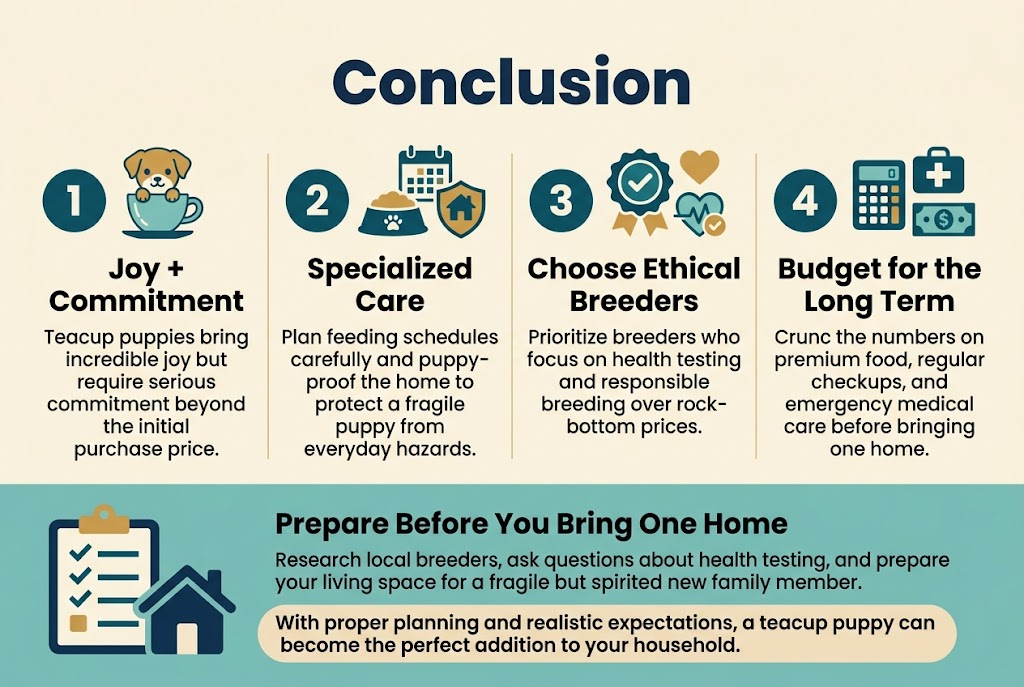
Teacup puppies bring incredible joy but require serious commitment beyond the initial purchase price. These tiny companions need specialized care, from carefully planned feeding schedules to puppy-proofed homes that protect them from everyday hazards. Smart buyers focus on finding ethical breeders who prioritize health over rock-bottom prices, since a well-bred puppy saves money on vet bills down the road. With proper planning and realistic expectations, a teacup puppy can become the perfect addition… Whether you’re exploring teacup dog adoption or buying from breeders, careful research ensures a happy, healthy companion.
Before bringing home your new best friend, crunch the numbers on long-term expenses like premium food, regular checkups, and emergency medical care. Take time to research local breeders, ask plenty of questions about health testing, and prepare your living space for a fragile but spirited new family member. With proper planning and realistic expectations, a teacup puppy can become the perfect addition to your household. Whether you choose teacup Pomeranian puppies, teacup Chihuahuas, or other toy breeds, careful research ensures a healthy companion.
